Find Electric Sliding Door Pulley Options for Gates, Hanging Doors, and Industrial Track Systems
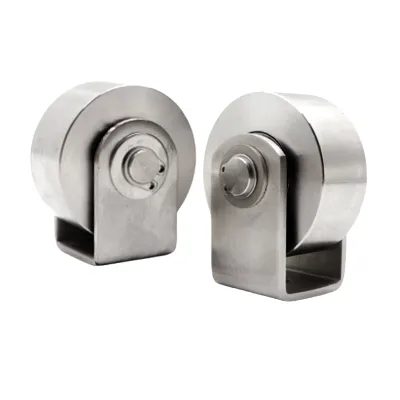
Browse 30 electric sliding door pulley listings covering steel and nylon rollers with zinc plated, chrome plated, brushed, or polished finishes. Compare sizes, models, packing options, customization availability, and MOQ ranges to match your sliding gate or hanging door track requirements.
Key considerations
Products List




Comprehensive Sourcing Guide
Electric Sliding Door Pulley Sourcing Guide
Sourcing electric sliding door pulleys requires a nuanced understanding of mechanical compatibility, material durability, and supply chain transparency. These components serve as the critical interface between the door panel and the overhead track, bearing the dynamic loads generated during automated opening and closing cycles. Buyers must recognize that "electric" in this context often refers to the door system's actuation method rather than the pulley itself, which remains a passive mechanical element. Therefore, the primary focus shifts to load-bearing capacity, wheel material resilience, and bearing precision. The observed market data indicates a diverse range of products, from steel-based rollers with zinc plating to nylon variants designed for specific noise or friction profiles. Understanding these material distinctions is the first step in aligning product selection with the operational demands of the installation site.
Procurement decisions are further complicated by the variability in supplier specifications and packaging standards. The available listings reveal significant differences in origin, with manufacturers located in regions such as Zhejiang and Shandong in China, each potentially offering distinct manufacturing capabilities. Furthermore, the presence of both "splittable" and "unsplittable" options suggests that modular design is a key consideration for maintenance and installation logistics. Buyers must navigate a landscape where customization is widely available, yet standardization remains crucial for bulk orders. This guide provides a structured approach to evaluating these products, ensuring that technical requirements, compliance documentation, and commercial terms are rigorously assessed before finalizing any procurement agreement.
Product Scope and Observed Listing Signals
The current market for sliding door pulleys encompasses a wide array of configurations, primarily driven by the material composition and surface treatment of the wheel. Steel-based rollers, often zinc-plated for corrosion resistance, are prevalent in industrial and heavy-duty applications, as indicated by the observed listings for models like HH2-2. These components are typically designed for hanging door tracks and sliding gates, where structural integrity is paramount. In contrast, nylon sliding door rollers offer an alternative for environments where noise reduction or chemical resistance is prioritized. The presence of both brushed and chrome-plated finishes suggests that aesthetic considerations may also influence selection, particularly for residential or high-visibility commercial installations. Buyers should carefully distinguish between these material types to ensure compatibility with the specific environmental conditions of the deployment site.
Listing signals also highlight significant variability in packaging and standardization, which directly impacts logistics and inventory management. Products are observed in various packaging formats, ranging from simple plastic bags to more robust carton and pallet combinations, reflecting different supplier capabilities and order sizes. The standard dimensions listed, such as 302014cm or specific millimeter measurements like 5245mm, provide critical data for space planning and track compatibility. Additionally, the availability of customized sizes and colors indicates that suppliers are willing to accommodate specific design requirements, though this may introduce lead time complexities. The observation of "splittable" versus "unsplittable" attributes further underscores the need for buyers to verify whether the pulley design allows for easy replacement or requires full assembly unit changes, a factor that influences long-term maintenance costs.
Technical Specifications to Verify
Verifying the material composition and surface treatment is essential to ensure the pulley can withstand the operational stresses of the sliding door system. Steel components, particularly those made from carbon steel, offer high tensile strength but require adequate surface treatments such as zinc plating or polishing to prevent rust and reduce friction. Nylon variants provide inherent lubricity and corrosion resistance but may have lower load-bearing limits compared to metal counterparts. Buyers must confirm the exact material grade and thickness, as these factors directly influence the pulley's lifespan and performance under heavy loads. The observed listings mention materials like steel and nylon, but the specific alloy or polymer grade is often not detailed in standard product descriptions, necessitating direct inquiry with the supplier to avoid premature failure.
Bearing type and wheel diameter are critical technical parameters that determine the smoothness of operation and the overall efficiency of the door mechanism. The listings reference various models, including bearing sliding gate rollers and specific pulley sizes like Type F, indicating that bearing quality is a key differentiator. High-speed operation, as noted in some product attributes, requires bearings that can handle rotational stress without overheating or seizing. Additionally, the size of the wheel, whether specified as 6206mm or other custom dimensions, must match the track profile precisely. Mismatches in wheel diameter or bearing type can lead to increased wear on both the pulley and the track, resulting in higher maintenance costs and potential safety hazards. Buyers should request detailed technical drawings or bearing specifications to ensure compatibility with their existing infrastructure.
Compliance and Safety Documentation
Certification status is a primary indicator of a supplier's commitment to quality management and regulatory compliance. The observed listings include references to ISO and CE certifications, which suggest that certain manufacturers adhere to international standards for quality and safety. ISO certification typically indicates a robust quality management system, ensuring consistent product quality across production batches. CE marking, on the other hand, is crucial for products intended for the European market, signifying compliance with relevant health, safety, and environmental protection standards. Buyers should verify the validity and scope of these certifications, as they provide assurance that the pulleys have been manufactured under controlled conditions and meet specific regulatory requirements. However, the presence of these certifications does not guarantee that every batch of products will maintain the same level of quality, making ongoing verification essential.
Safety documentation should also include detailed information on load ratings and operational limits, which are critical for preventing mechanical failure. While specific load values are not explicitly listed in the observed data, buyers must request this information to ensure the pulleys can support the weight of the door panels, especially in electric systems where dynamic forces are higher. Additionally, documentation regarding the surface treatment process, such as the thickness of zinc plating or the durability of chrome plating, can provide insights into the product's resistance to environmental factors. Buyers should also inquire about any specific testing procedures conducted by the supplier, such as fatigue testing or corrosion resistance tests, to validate the product's performance claims. This documentation serves as a vital reference for risk assessment and liability management in the event of product failure.
Cost Drivers and Commercial Terms
The cost of electric sliding door pulleys is influenced by several factors, including material costs, manufacturing processes, and order volume. Steel and nylon materials have different price points, with steel generally being more expensive due to its higher strength and durability. The manufacturing process, whether casting or machining, also impacts the final cost, as more complex processes require additional labor and equipment. The observed listings indicate a wide price range, from $0.01 to $150, reflecting the diversity in product quality, material, and customization options. Buyers should be cautious of extremely low prices, as they may indicate inferior materials or compromised quality control. Understanding these cost drivers allows buyers to make informed decisions that balance budget constraints with performance requirements.
Commercial terms, including minimum order quantities (MOQ) and payment terms, play a significant role in the overall procurement strategy. The observed MOQ ranges from 1 to 10,000 pieces, offering flexibility for both small-scale repairs and large-scale installations. Suppliers may offer discounts for larger orders, but buyers must consider storage and inventory costs when determining the optimal order size. Additionally, the availability of OEM and ODM services suggests that suppliers are willing to customize products, which may involve additional costs and longer lead times. Buyers should negotiate clear terms regarding packaging, shipping, and returns to avoid unexpected expenses. Understanding these commercial terms helps in developing a realistic budget and ensuring a smooth procurement process.
Supplier Qualification and Quality Control
Supplier qualification is a critical step in ensuring the reliability and consistency of the sourced pulleys. Buyers should assess the supplier's manufacturing capabilities, including their production capacity and quality control processes. The observed listings mention production capacities of 5,000 pieces per day, indicating that some suppliers have the ability to handle large orders. However, buyers must verify that this capacity is maintained without compromising quality. Additionally, the presence of customization options suggests that suppliers have flexible manufacturing lines, which can be advantageous for specific project requirements. Buyers should request information about the supplier's quality management system, including any internal testing procedures and inspection protocols, to ensure that the products meet their specifications.
Quality control measures should extend beyond the supplier's internal processes to include incoming inspection and ongoing monitoring. Buyers should establish clear acceptance criteria for the pulleys, including dimensional tolerances, material composition, and surface finish. Regular audits of the supplier's facility can provide insights into their manufacturing practices and help identify potential issues before they impact the product quality. Additionally, buyers should consider implementing a sampling plan for incoming shipments to verify that the products meet the agreed-upon standards. This proactive approach to quality control helps mitigate the risk of receiving defective products and ensures that the sliding door system operates smoothly and reliably over its lifespan.
Long-Term Procurement Checks
Long-term procurement success depends on establishing a robust relationship with suppliers and implementing continuous improvement strategies. Buyers should regularly review supplier performance metrics, including delivery times, product quality, and responsiveness to issues. This ongoing evaluation helps identify potential risks and opportunities for improvement, allowing buyers to make data-driven decisions about their supply chain. Additionally, buyers should stay informed about industry trends and technological advancements in sliding door pulley technology, as these developments may offer opportunities for cost savings or performance enhancements. By maintaining a proactive approach to supplier management, buyers can ensure that their procurement strategy remains aligned with their operational needs and business goals.
Sustainability and ethical sourcing practices are increasingly important considerations in long-term procurement. Buyers should assess their suppliers' commitment to environmental responsibility and social governance, including their efforts to reduce waste, conserve energy, and ensure fair labor practices. This alignment with sustainability goals not only enhances the brand reputation of the buyer but also contributes to the long-term resilience of the supply chain. By integrating these considerations into their procurement strategy, buyers can create a more sustainable and ethical sourcing environment that benefits both their business and the broader community. This holistic approach to procurement ensures that the sourcing of electric sliding door pulleys supports not only immediate operational needs but also long-term strategic objectives.
FAQs
What materials are commonly used for electric sliding door pulleys?
Common materials include steel, carbon steel, and nylon, often combined in one assembly. Steel and carbon steel provide load-bearing strength for the wheel or bracket, while nylon offers quiet, low-friction rolling against the track. Many products also receive a surface treatment such as zinc plating, chrome plating, brushing, or polishing to resist corrosion and wear in daily use.
How is an electric sliding door pulley typically installed on a hanging track?
Most units are designed for hanging door track applications, where the wheel rides inside the track while the bracket attaches to the door panel. Installation usually involves bolting the roller assembly to the door, aligning the wheel with the track groove, and adjusting height for smooth travel. Many products are marketed as easy to install, and customization is available for non-standard mounting patterns.
Can electric sliding door pulleys be customized in size or color?
Yes, customization is widely offered for these products. Suppliers list options such as customized colors, customized sizes, and dimensions made to customer request, and many offer OEM and ODM service. When requesting customization, provide your track width, wheel diameter, load requirements, and preferred surface finish so the manufacturer can confirm feasibility before sampling.
Which surface treatment should I choose for a sliding gate pulley?
Zinc plating is the most common choice for steel pulleys because it provides dependable corrosion resistance at moderate cost. Chrome plating gives a brighter, more decorative finish with good wear resistance, while brushing and polishing improve appearance and smoothness. For outdoor sliding gates exposed to moisture, choose a plated or coated finish and confirm the treatment level with the supplier.
How do I match a pulley size to my existing sliding door track?
Measure the track's groove width and the diameter of your current wheel, then compare both against the product specification. Listed sizes in this category range from small precision dimensions such as 5*24*5mm and 6*20*6mm up to larger gate rollers, so accurate measurement matters. If your track is non-standard, request a customized size rather than forcing a close approximation.
What is the typical production capacity and packaging for these pulleys?
Listed production capacity reaches 5000 pieces per day, which supports both small trial orders and large recurring volumes. Packing formats include one piece per bag, plastic bag with carton box, paper box, bag plus carton plus pallet, and simple carton packing. Confirm your preferred packing style and pallet requirements with the supplier before shipment, especially for export orders.
What minimum order quantity should I expect when sourcing these pulleys?
MOQs in this category vary widely, from single-piece trial quantities up to 10000 pieces, with some listings stating 1000 pieces. Small MOQs suit testing and sample evaluation, while larger commitments usually unlock better unit pricing. Ask each supplier to confirm the exact MOQ for your chosen model and customization level, since custom sizes and colors often carry higher minimums.
Which certifications are relevant when buying sliding door rollers?
ISO certification appears across listings in this category, and some products also carry CE certification. ISO indicates a documented quality management system, while CE relates to conformity for European markets. Always request the current certificate directly from the supplier and verify that it covers the specific pulley model and production facility you intend to order from.